Digital Value Shading

student avatarstudent avatarstudent avatarstudent avatarstudent avatar
Dweba School
Excellent
start rating
5/5
4
Weeks
Intermediate
English
4
Assignments
Pattern 3
Digital Value Shading
Apple Pen

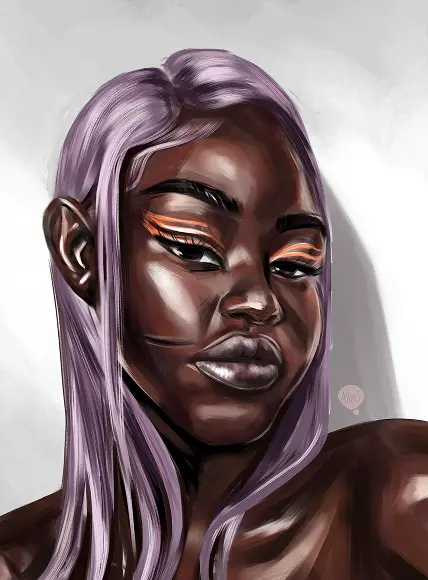
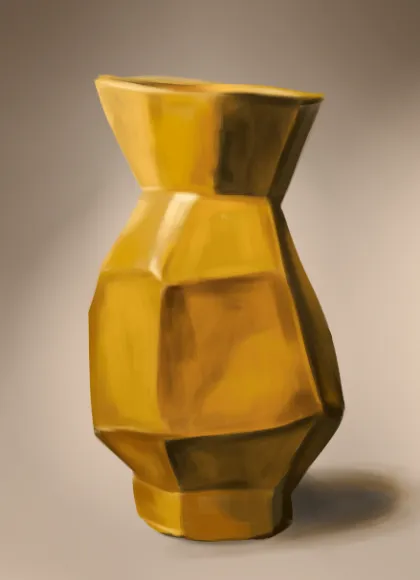
Light, shadow, and contrast bring art to life. Learn to use value for mood, depth, and energy that makes your paintings unforgettable.

This course explores the power of value, the relationship between light and dark to make your digital paintings shine. You’ll learn how to control shading, gradients, and contrast to add drama and depth to still life studies. With brushes, textures, and lighting techniques, you’ll create expressive, polished work. Guided by mentors and inspired by peers, you’ll participate in a live drawing jam and finish with portfolio pieces full of life and atmosphere.

Tools you will need

Software

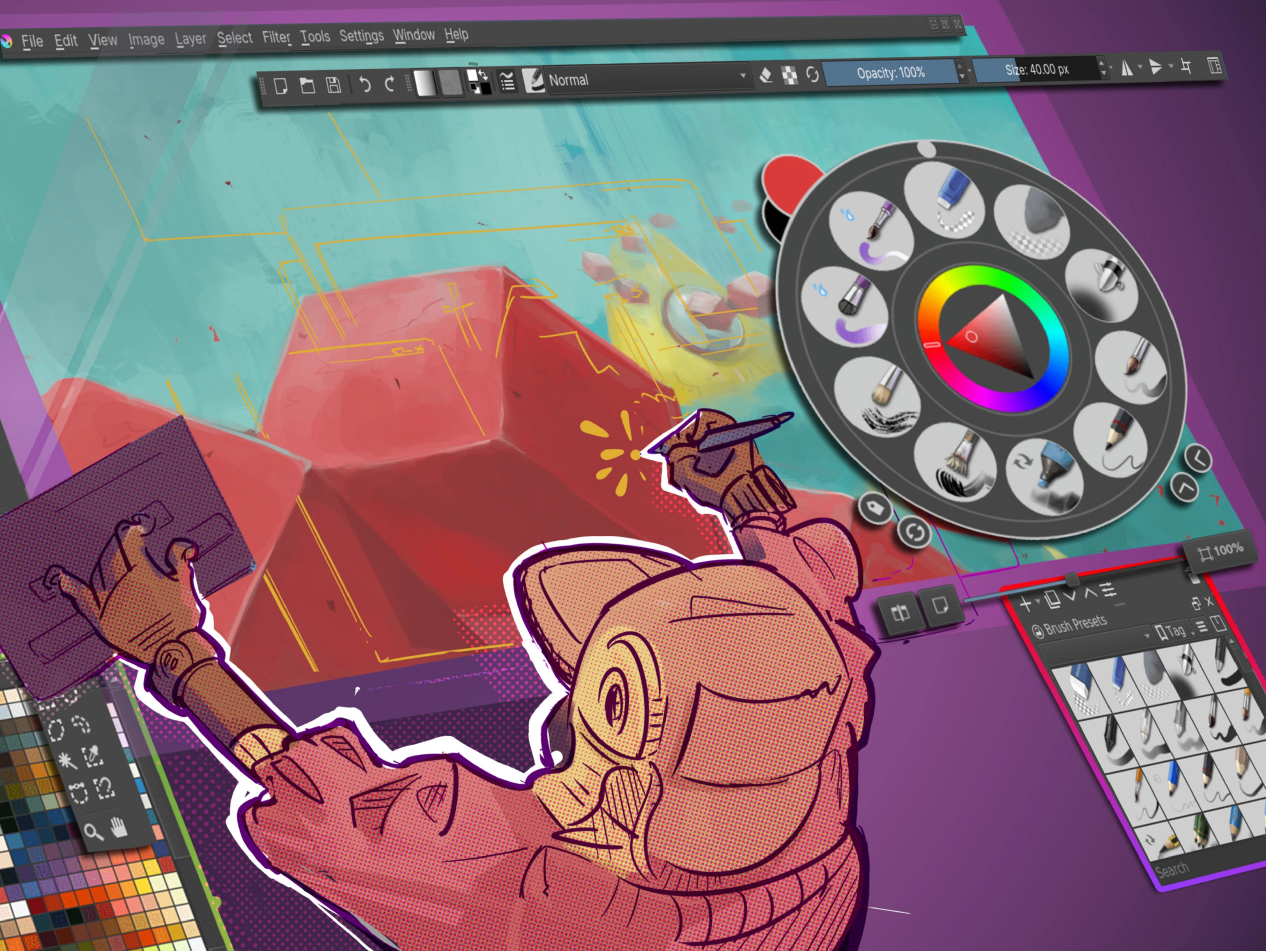
Krita (free) or software you are comfortable with

+Hardware

Computer and Digital Drawing tablet - XPen/Wacom

or Combo

iPad with built-in software, Procreate

Lessons
00
Classes
total length
  • What’s Value?  understand light and dark in art.
  • Shading Tools: explore brushes and digital tricks.
  • Basic Shapes: practise shading cubes, spheres, and more.
  • Gradation and Contrast: blend or transition tones.
  • Textures : add depth with rough and smooth effects.
  • Complex Forms: shade objects with multiple surfaces.
  • Final Project: bring shading skills into one artwork.
  • Portfolio Polish: showcase your shaded piece with pride.

What you get at the end

Certificate

At the end of the course you will receive a certificate of completion as evidence of your pursuit of your artistic development

Portfolio

Create a portfolio piece for your own personal creative development, for creative studies applications or bragging rights

Digital Value Shading

4
Weeks
Intermediate

R1,500

Ipad MockupDigital Value Shading

Meet your mentors

Tumelo Selamolela
Tumelo Selamolela

Tumelo is an artist and animator with experience on feature films like Jock, Adventures in Zambezi and Khumba at triggersfish. As the founder of Canvas Academy, Tumelo has guided over 1000 students, teaching digital art and animation principles to prepare young creatives for the future of art and technology.

Image 28
Image 27
Image 26
Image 25
Image 24
Image 23
Image 22
Image 21
Image 20
Image 19
Image 25
Image 24
Image 23
Image 22
Image 21
Image 20
Image 19
Image 18
Image 17
Image 16
Image 15
Image 14
Image 13
Image 12
Image 11
Image 22
Image 21
Image 20
Image 19
Image 18
Image 17
Image 16
Image 15
Image 14
Image 13
Image 13
Image 12
Image 11
Image 10
Image 9
Image 8
Image 7
Image 6
Image 5
Image 4
Image 3
Image 2
Image 20
Image 19
Image 18
Image 17
Image 16
Image 15
Image 14
Image 13
Image 12
Image 11
Image 10
Image 9
Image 11
Image 10
Image 9
Image 8
Image 7
Image 6
Image 5
Image 4
Image 3
Image 2
Image 1

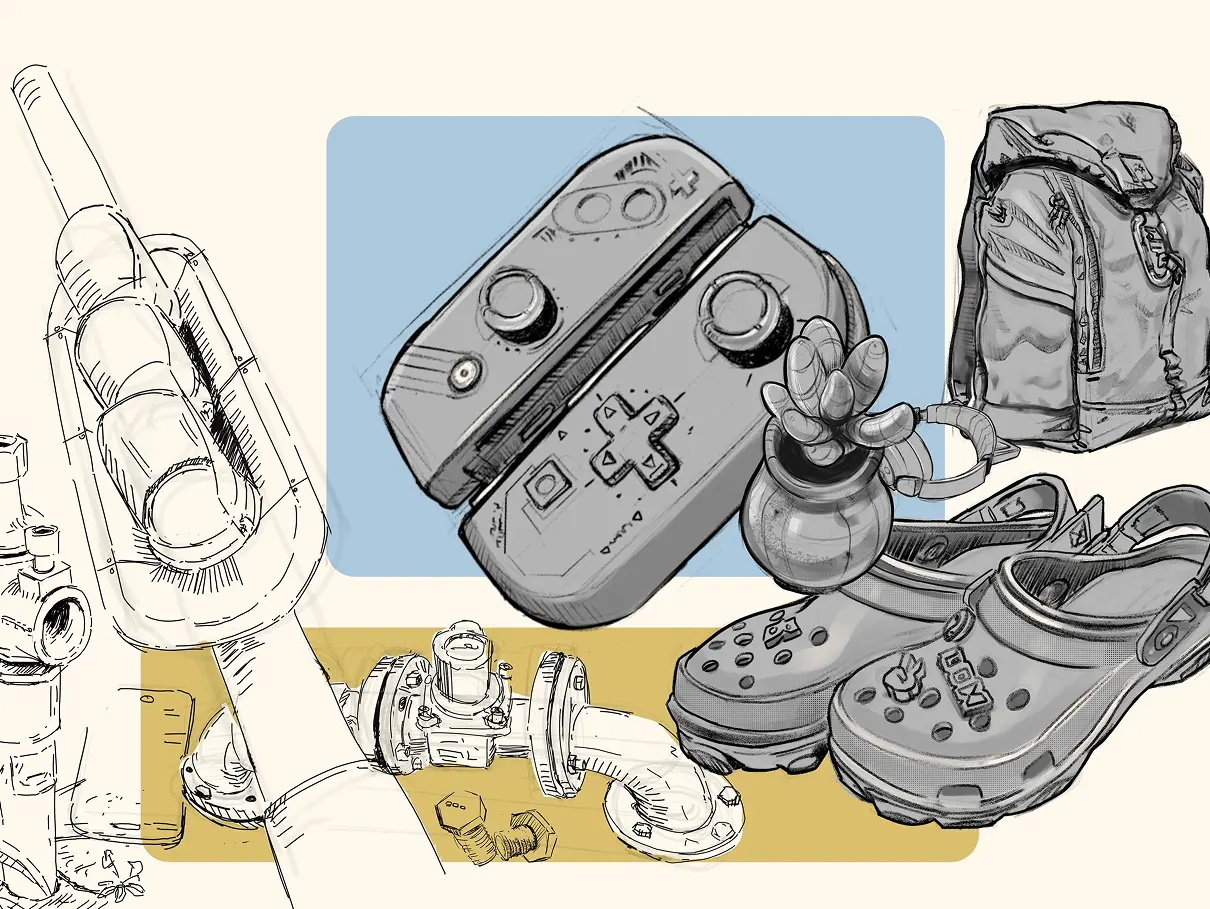
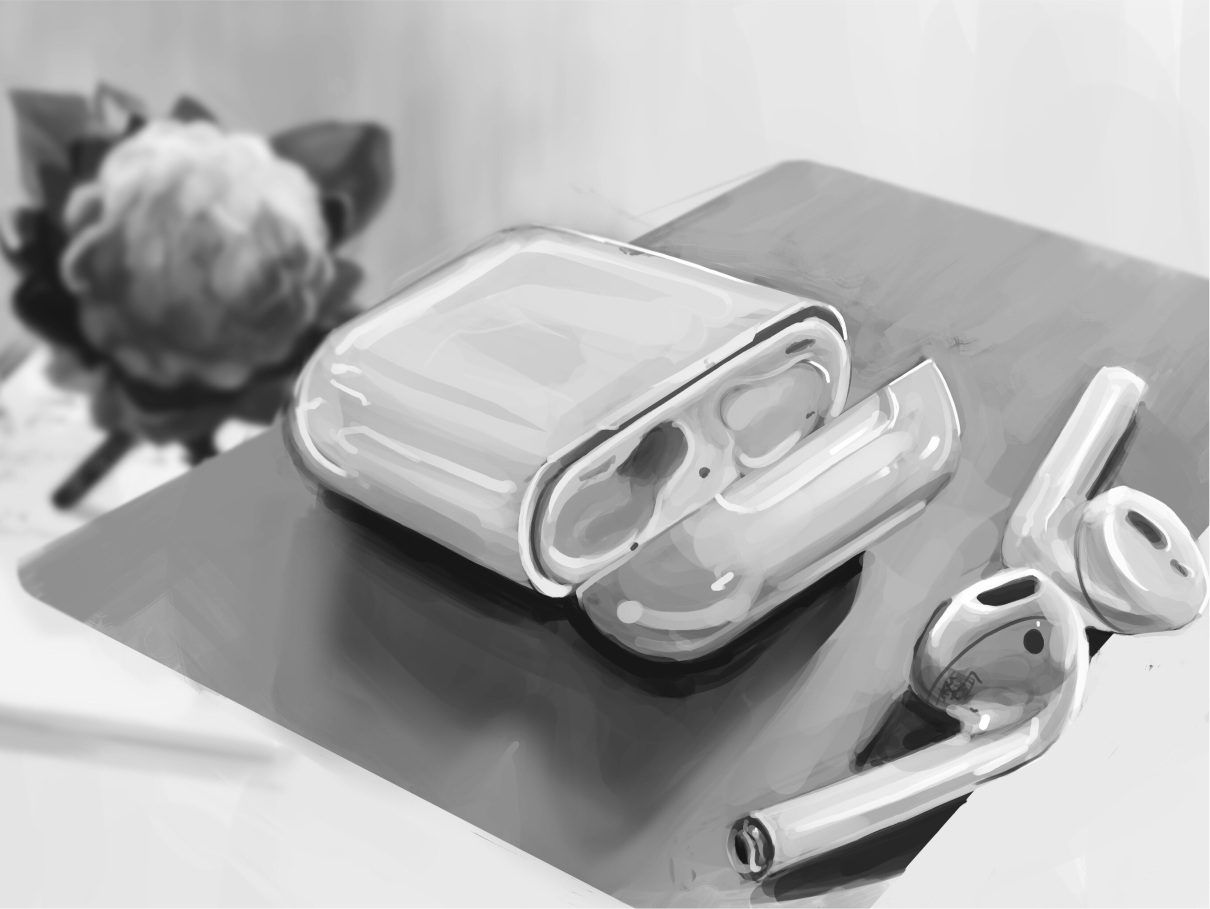
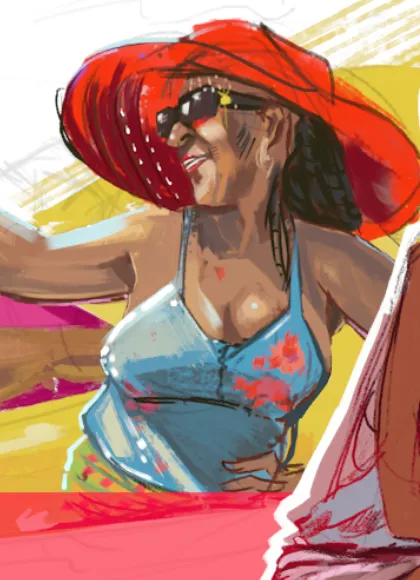
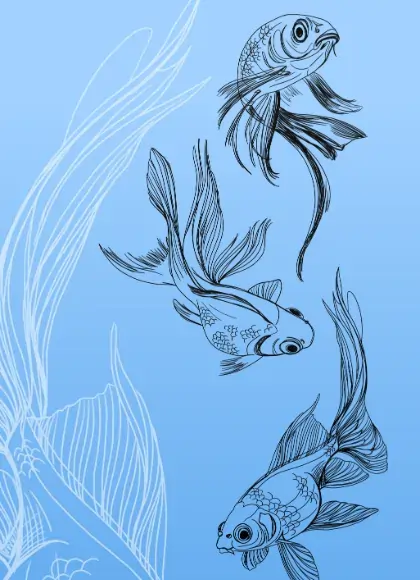
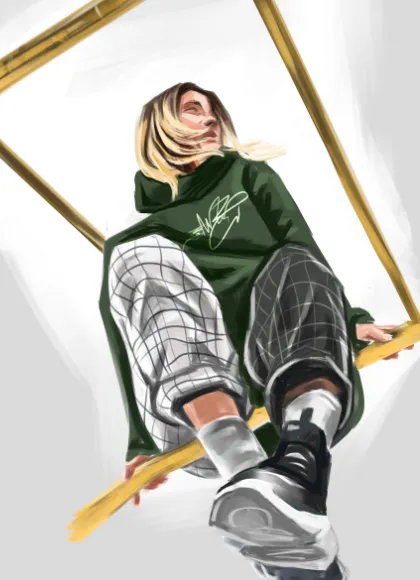
From first sketches to finished digital pieces, progress you can see

Learn digital colour painting today

Take your Digital drawing skills to the next level with this course.

Digital Value Shading
image of a pen
Pattern 3

Frequently asked questions

What is digital value shading?

Digital value shading is a technique in digital art used to create depth and dimension by manipulating light and shadow. It involves understanding the contrast between light and dark areas to enhance the mood and energy of a painting, making it appear more dynamic and realistic.

This technique is crucial for artists who want to add drama and realism to their work. By mastering digital value shading, you gain the ability to control gradients and contrast, which makes your artwork more expressive and lifelike. For instance, in still life studies, the interplay of light and shadow can significantly affect the overall composition and emotional impact of the piece. This skill is not only beneficial for creating realistic textures but also for setting the atmosphere, whether it's a serene landscape or a dramatic portrait.

How can digital value shading improve my artwork?

Digital value shading can significantly enhance your artwork by adding depth, mood, and energy. By mastering the use of light and shadow, you can create more realistic and engaging pieces that captivate the viewer's attention and convey a specific atmosphere or emotion.

This technique allows you to control the gradients and contrast in your work, making it more dynamic and visually appealing. With practice, you can use digital value shading to highlight specific areas, guide the viewer's eye, and convey a particular atmosphere. Whether you're working on still life studies or complex compositions, understanding this technique will help you produce polished and impactful art. For example, by adjusting the shading, you can make certain elements pop or recede, effectively telling a story through your artwork.

What tools do I need for digital value shading?

To practice digital value shading, you'll need a computer and a digital drawing tablet like XPen or Wacom. Alternatively, an iPad with built-in software such as Procreate can be used, providing portability and ease of use for artists on the go.

For software, Krita is a free option, but you can also use any digital art software you are comfortable with, such as Adobe Photoshop or Corel Painter. These tools will help you explore shading techniques and create expressive artwork. The combination of the right hardware and software will enable you to experiment with brushes, textures, and lighting techniques, essential for mastering digital value shading. For instance, using a pressure-sensitive stylus can help you achieve more nuanced shading effects, enhancing the overall quality of your digital paintings.

What will I learn in a digital value shading course?

In a digital value shading course, you'll learn how to use light and shadow to create mood and depth in your artwork. The course covers shading tools, basic shapes, gradation, contrast, and textures, providing a comprehensive understanding of how value affects art.

You'll start by understanding the concept of value and how it affects your art. As you progress, you'll practice shading various shapes and objects, learning to blend tones and add texture. The course culminates in a final project where you'll apply your skills to create a polished piece for your portfolio. This comprehensive approach ensures you gain a solid foundation in digital value shading. For example, you might work on exercises that focus on shading spheres and cubes before moving on to more complex forms, ensuring you have the skills needed to tackle any artistic challenge.

Why is understanding light and shadow important in digital art?

Understanding light and shadow is crucial in digital art as it helps create depth, realism, and mood. It allows artists to manipulate the perception of space and form in their work, making the artwork more engaging and lifelike.

By mastering light and shadow, you can guide the viewer's attention, highlight important areas, and convey emotions. This understanding is essential for creating dynamic compositions and enhancing the overall impact of your artwork. Whether you're working on portraits, landscapes, or still life, the effective use of light and shadow can transform a flat image into a vibrant and engaging piece. For example, by adjusting the lighting in a portrait, you can emphasise facial features and expressions, adding emotional depth and storytelling to the piece.